How to Check a Used Ukulele Before You Buy It
A practical checklist for buying a used ukulele: what to inspect, what to skip, and how to avoid a bad deal as a beginner.
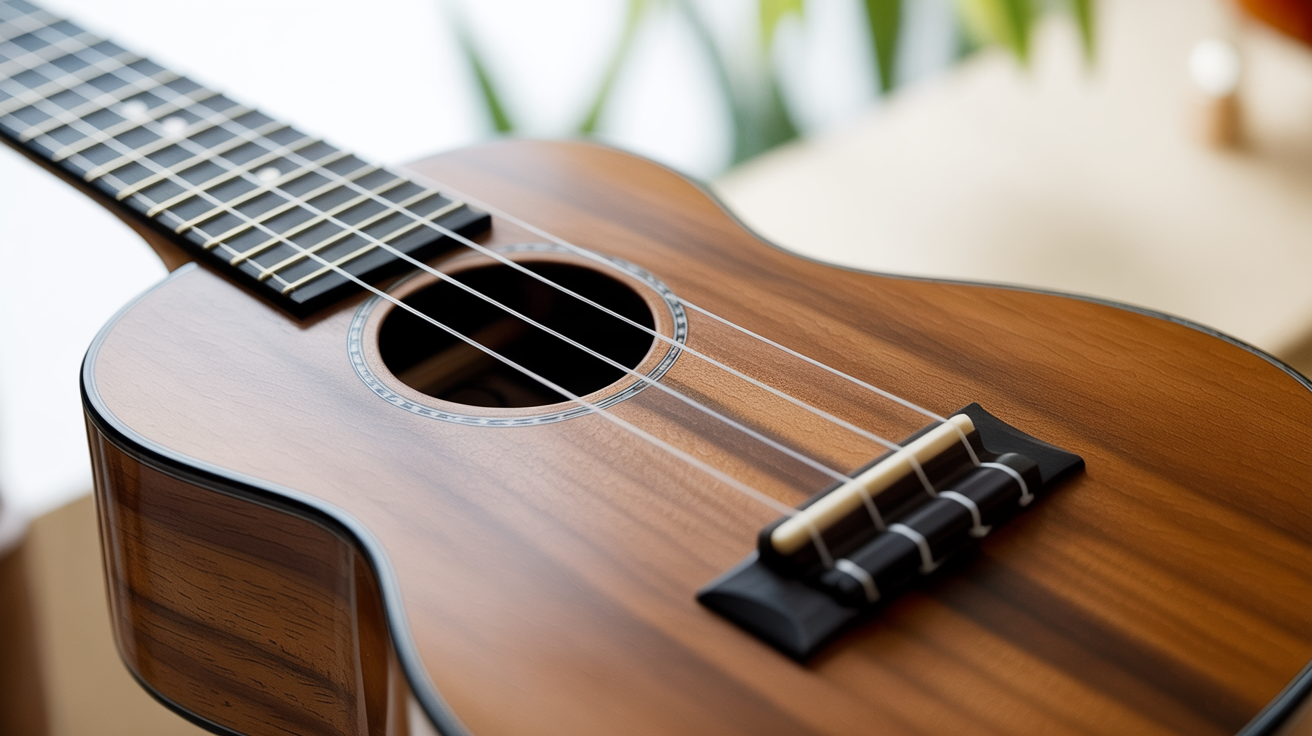
Buying a used ukulele can get you a much better instrument for the same money as a new budget model. A $150 soprano that someone played twice and then forgot in a closet is almost always a better deal than a $50 new one from a brand you've never heard of. The catch is knowing what to look for before you hand over cash.
This guide walks you through a simple inspection process you can do in a music shop, at someone's house, or by studying photos in an online listing. You don't need any technical knowledge to follow it.
Start With the Overall Condition
Before you pick the instrument up, look at it from a distance. You're checking for obvious damage that the seller may have photographed at an angle to hide.
Cracks are the main thing to spot. A crack in the soundboard (the face of the body) can range from cosmetic to serious. Hairline cracks near the bridge or running from the soundhole toward the edges are worth being cautious about. A crack that has been repaired cleanly and shows no movement is usually fine, but it should lower the price.
Finish damage (dings, scratches, and worn lacquer) is mostly cosmetic on a beginner instrument. Don't let it scare you off unless it's paired with structural damage underneath.
Warping is more concerning. Sight down the top of the body from the headstock end. The face should be flat. A noticeable belly-out behind the bridge can mean string tension has been pulling at the top for a long time, which affects playability.
Check the Neck and Fretboard
The neck is where most playability problems live.
Run your finger along the edge of the frets on both sides. Fret ends that feel sharp or scratch your palm indicate the fretboard has dried out and shrunk slightly, which happens when a ukulele has been stored in a very dry environment. This can be fixed, but it's a repair cost to factor in.
Press down a few strings at different fret positions and listen for buzzing. A little buzz at very low action is normal. Buzzing all over the neck at normal playing pressure often points to a neck that has shifted or a saddle that's too low.
Check that the neck joins the body at a clean angle. There should be no visible gap between the neck heel and the body on either side.
Also inspect the nut (the small grooved piece at the top of the fretboard). The slots should hold the strings at a comfortable height. If you can slide a piece of paper under a string at the first fret with ease, the action is reasonable. If the strings are extremely high off the fretboard, the nut may need replacing or the neck angle needs attention.
Inspect the Tuners
Turn each tuning peg slowly. It should move smoothly and hold its position without slipping. Slipping tuners are one of the most common complaints on cheap used ukuleles, and while they can sometimes be tightened with a small screwdriver, worn-out geared tuners usually need replacing.
Budget around $10-20 for a set of replacement tuners if they feel loose or sticky. It's an easy upgrade, but it's worth factoring into your offer.
Test the Playability
If you're in person, tune the ukulele (or ask the seller to tune it) and play it, even if you're a complete beginner. Strum all four strings open, then press down each string at the 12th fret and strum again. The notes should ring clearly without significant buzzing.
Fret each string individually at frets 1, 3, 5, 7, and 12. A string that buzzes or goes dead at one particular fret usually means there's a high fret at that position, which a luthier can level for a modest cost.
Listen to the sustain. A good-condition ukulele should ring for a second or two after you pluck a string. Dead, thuddy tone can mean a serious crack you haven't spotted yet, or a top that's been under tension for too long.
For buying a used ukulele online, ask the seller to send a short video of them playing each string individually. Photos alone won't tell you about buzzing or dead spots.
What to Look for in Online Listings
Buying a second hand ukulele through an online marketplace adds some risk, but it's manageable if you ask the right questions.
| What to ask | Why it matters |
|---|---|
| How long have you owned it? | Recent purchase often means it was bought and not played much. |
| Has it ever been repaired? | Repairs aren't disqualifying, but you want to know. |
| What strings are on it? | Old strings sound dull; budget a few dollars for a fresh set. |
| Has it been stored in a case? | Case storage protects from humidity swings. |
| Will you accept returns if there's an undisclosed defect? | Establishes your recourse if something was hidden. |
Ask for photos of the back, both sides, the inside of the soundhole (you can sometimes see interior bracing cracks), and a close-up of the nut and saddle.
Reasonable Repairs vs. Walk Away
Some issues are easy to live with or cheap to fix. Others should send you to the next listing.
Usually fine:
- Minor dings and scratches to the finish
- Old strings (replace them for a few dollars)
- Slightly stiff or squeaky tuners (sometimes just need a drop of oil)
- Cosmetic crack repairs that are stable and show no movement
Negotiate down or walk away:
- Open or active cracks near the bridge or soundhole
- A neck that has pulled forward or backward from the body
- Frets that are uneven across the whole neck (expensive to level)
- Visible warping in the soundboard
- Missing or badly cracked nut or saddle with no replacement offered
If a seller can't explain a repair or dismisses your questions, that's useful information too.
Frequently Asked Questions
Is buying a used ukulele a good idea for a complete beginner?
It can be a great idea, especially in the $50-150 range where the quality difference between a used intermediate model and a new entry-level model is noticeable. The main risk is buying something with a hidden problem, so doing a proper inspection or buying from a shop that offers returns is worth it. You can also read more about what you're getting into with how to choose your first ukulele.
What is a fair price for a used ukulele?
A rough starting point is 40-60% of the original retail price for an instrument in good condition. If it has cosmetic wear, damaged tuners, or old strings, aim lower. If it's a well-regarded brand in excellent shape with a case included, closer to 60-70% of retail is fair. Checking what how much should you spend on a beginner ukulele gives you a sense of what comparable new instruments cost.
Does it matter whether a used ukulele is laminate or solid wood?
For a used beginner instrument, laminate is generally more forgiving. Solid wood sounds better when in good condition but is more susceptible to cracking from humidity changes. A solid-wood ukulele that has been stored in a dry room without a humidifier may have cracks you'd miss at first glance. Learn more about the tradeoffs at laminate vs solid wood ukuleles: what's the difference.
Can I test a used ukulele if I don't know how to play yet?
You can test more than you think. Strum the open strings and listen for buzzing or dead notes. Press down each string at several frets. Pluck a string and listen for how long it rings. You don't need to play a song to hear problems. If you're buying in person, you can also ask the seller to play it for a moment so you can listen from a few feet away.
What should I do after buying a used ukulele?
Start with a fresh set of strings, which costs only a few dollars and makes a noticeable difference in tone and tuning stability. Clean the fretboard with a dry cloth. Check the tuning pegs and tighten any that are loose. If the action (the height of the strings above the frets) feels uncomfortable after you've gotten used to playing, a local music shop can usually adjust it quickly and cheaply.