How Much Should You Spend on a Beginner Ukulele?
Find out what beginner ukuleles actually cost, which price tiers deliver a playable instrument, and what to budget beyond the uke itself.
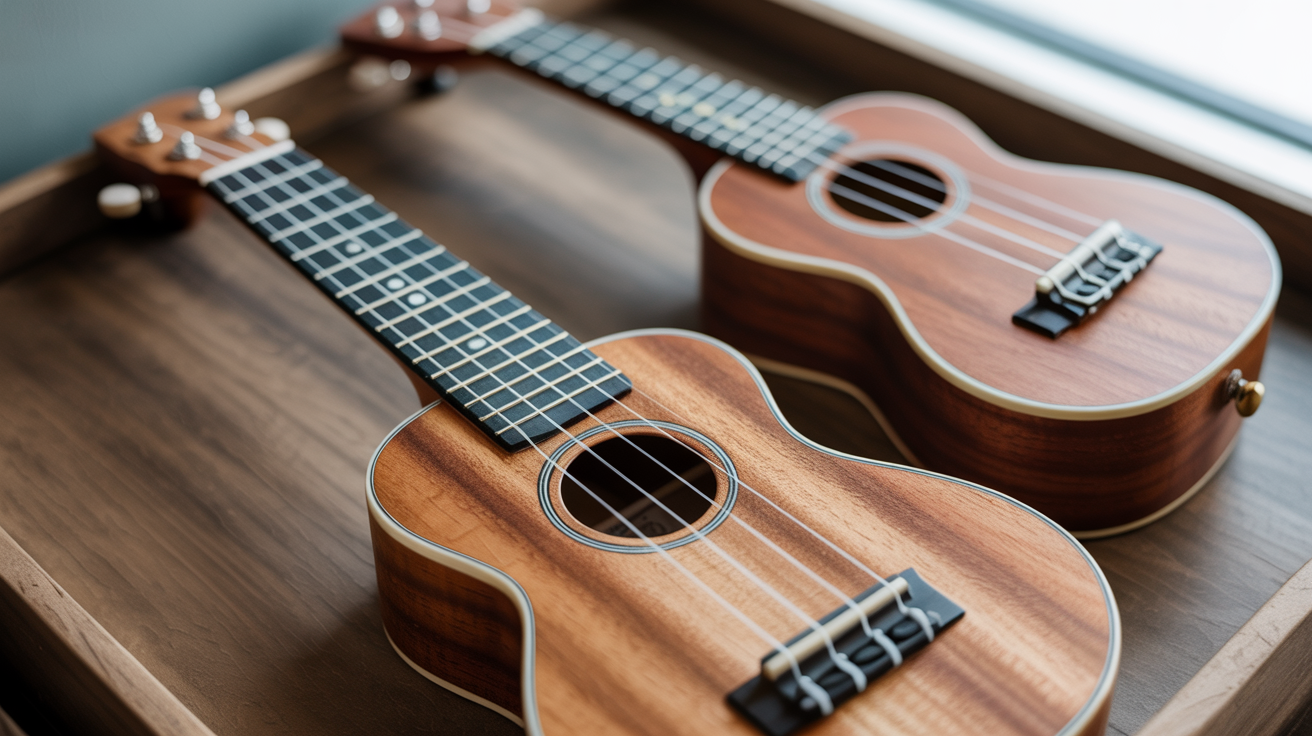
The short answer: plan to spend somewhere in the $60–$120 range for your first ukulele, and budget a little extra for a tuner and a bag. That range gets you an instrument that actually sounds like a ukulele, holds its tuning long enough to practice a chord, and won't make you feel like you're fighting the instrument every time you pick it up.
Below that, things get unreliable fast. Above it, you're paying for tone improvements that are genuinely nice but not necessary while you're still learning your first songs.
The Real Price Spectrum
Ukuleles are sold at an enormous range of prices, from under $20 to several thousand dollars. Most beginners don't need anything close to the top. Here's a rough breakdown of what different tiers actually deliver:
| Price Range | What You're Getting |
|---|---|
| Under $40 | Often labeled "toy" ukuleles. Thin plastic tuning pegs that slip, cheap strings that won't hold pitch, fret placement that can be off enough to make chords sound wrong even when you finger them correctly. Frustrating to learn on. |
| $50–$90 | The sweet spot for most new players. Laminate construction from a reputable maker, decent tuning machines, reasonable factory setup. These sound like real ukuleles and are playable out of the box. |
| $90–$150 | Better hardware, sometimes a solid top paired with laminate back and sides, often a better factory setup. You'll notice the difference in tone and sustain. Still a beginner-appropriate choice. |
| $150–$300 | Solid-top or all-solid construction. Noticeably warmer tone. Worth considering if you're fairly confident you'll stick with it, but not a requirement to start. |
| $300+ | Boutique and luthier instruments. Gorgeous, but overkill for learning basic chords and strumming patterns. |
The price jump from under $40 to around $70 is where the biggest real-world improvement happens. Everything above that is diminishing returns until you're far enough along to actually hear and appreciate the difference.
Why Cheap Ukuleles Frustrate Beginners
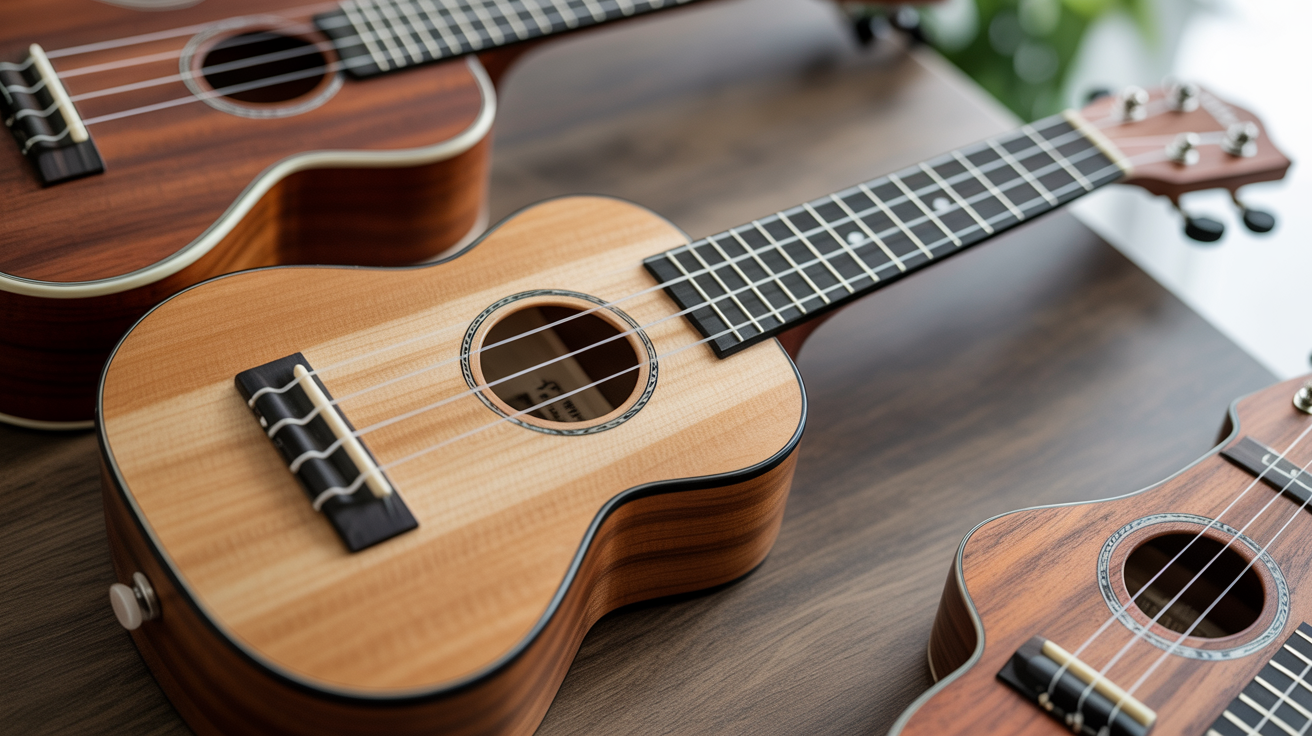
A very inexpensive ukulele won't necessarily sound bad in a store. The problem usually shows up in the first week at home.
The tuning pegs on budget instruments often slip. You tune up, play through a song, and by the end you're noticeably flat. At that point, most beginners assume they're doing something wrong, and some quit before they figure out it's the instrument, not them.
The other common issue is fret accuracy. If the frets aren't positioned precisely, chords will sound slightly off even when you're pressing in exactly the right place. That's genuinely demoralizing when you're trying to train your ear.
A uke in the $60–$90 range from a maker with any reputation to protect will have friction pegs or geared tuners that hold pitch properly, strings that break in within a few days, and frets placed where they're supposed to be. That's the actual foundation you need.
What Matters More Than Price
Spending more doesn't automatically get you a better-playing instrument. Two things matter more than the sticker price.
Setup. Setup refers to the physical adjustments that make a uke easier to play: mainly the action (how high the strings sit above the fretboard) and the nut slots. A well-setup $80 ukulele will often be more comfortable and accurate than a poorly-set-up $200 one. Many entry-level ukes come from the factory with action that's higher than it needs to be, which makes pressing strings down harder and more painful for new fingers. If you buy from a local music shop, ask them to check the setup. If you buy online, you can sometimes request a basic setup for a small extra fee, or learn to adjust it yourself down the line.
Strings. Stock strings on budget ukes are often poor quality. Swapping them out for a set of better strings (which costs $8–$15) can improve both tone and tuning stability noticeably. It's not something you need to do immediately, but it's a real and inexpensive upgrade when you're ready.
For a deeper look at how construction materials affect playability, this comparison of laminate and solid-wood ukuleles explains the tradeoffs without pressure to spend up.
Budget Beyond the Ukulele
Most guides focus on the instrument price and then stop. Don't do that to yourself.
A few extra items make a real difference:
-
Clip-on tuner ($10–$20). Tuning by ear is a learnable skill, but it takes time. A clip-on tuner that reads the vibration through the headstock is fast, accurate, and doesn't require silence to work. Standard ukulele tuning is gCEA (low to high). You want to be in tune every single time you practice.
-
Gig bag ($15–$30). A basic gig bag keeps your uke protected during transport and from humidity swings if you live somewhere dry or cold. Many ukes in the $80+ range come with one, so check before buying separately.
-
Extra set of strings ($8–$15). Strings break, and they break at inconvenient times. Having a spare set on hand means you're not stuck waiting for a delivery.
So a realistic starter budget, including these essentials, lands around $100–$150 total. That's the number worth having in mind, not just the uke price alone.
See ukulele accessories every beginner actually needs for a fuller rundown of what's genuinely useful versus what's just nice to have.
Soprano, Concert, or Tenor: Does Size Change the Price?
Broadly, soprano ukuleles (the smallest) tend to be cheapest, and tenor ukuleles (the largest common size) run slightly higher at the entry level. But the difference isn't dramatic at beginner price points. A concert ukulele, slightly larger than a soprano with a fuller sound and a bit more fret room, is often the same price as a comparable soprano and is a comfortable size for adults.
If you have larger hands or find the soprano neck cramped, a concert is worth the (usually minimal) extra cost. Don't let a price difference of $10–$20 push you toward a size that doesn't fit your hands.
For help thinking through size alongside other choices, how to choose your first ukulele covers size, construction, and what to actually look for when evaluating options.
FAQ
Is a $30 ukulele good enough to start?
Usually not. At that price, tuning stability is the main problem. Instruments that won't stay in tune make it very hard to develop your ear or stay motivated. The extra $30–$40 to get into the reliable tier is worth it.
Do I need to spend more if I'm serious about learning?
Not right away. A $70–$90 ukulele is plenty to learn everything from basic chords to intermediate fingerpicking. Upgrade when the instrument is genuinely holding you back tonally, which typically means you've been playing for at least a year.
Should I buy from a music shop or online?
Both work. A local music shop lets you play the instrument before buying and often includes basic setup. Online purchases give you more selection at each price point. If you buy online, look for sellers with a return window, so if something feels off with the action or the tuner pegs, you're not stuck.
How much does a good beginner ukulele actually cost in practice?
Expect to pay $60–$100 for the ukulele itself, plus around $30–$45 for a tuner, bag, and spare strings. Total budget of $90–$150 covers everything you need to start comfortably.
Can I learn on a borrowed or secondhand ukulele?
Absolutely. A used instrument in decent condition is a perfectly reasonable way to start. Check that the frets aren't worn down, the tuning machines work smoothly, and the neck is straight. If it passes those checks and holds tune, it'll do the job.