Concert vs Soprano Ukulele: Which Is Better for Beginners?
Soprano or concert ukulele for your first? We compare size, sound, and playability so you can pick the right fit without second-guessing yourself.
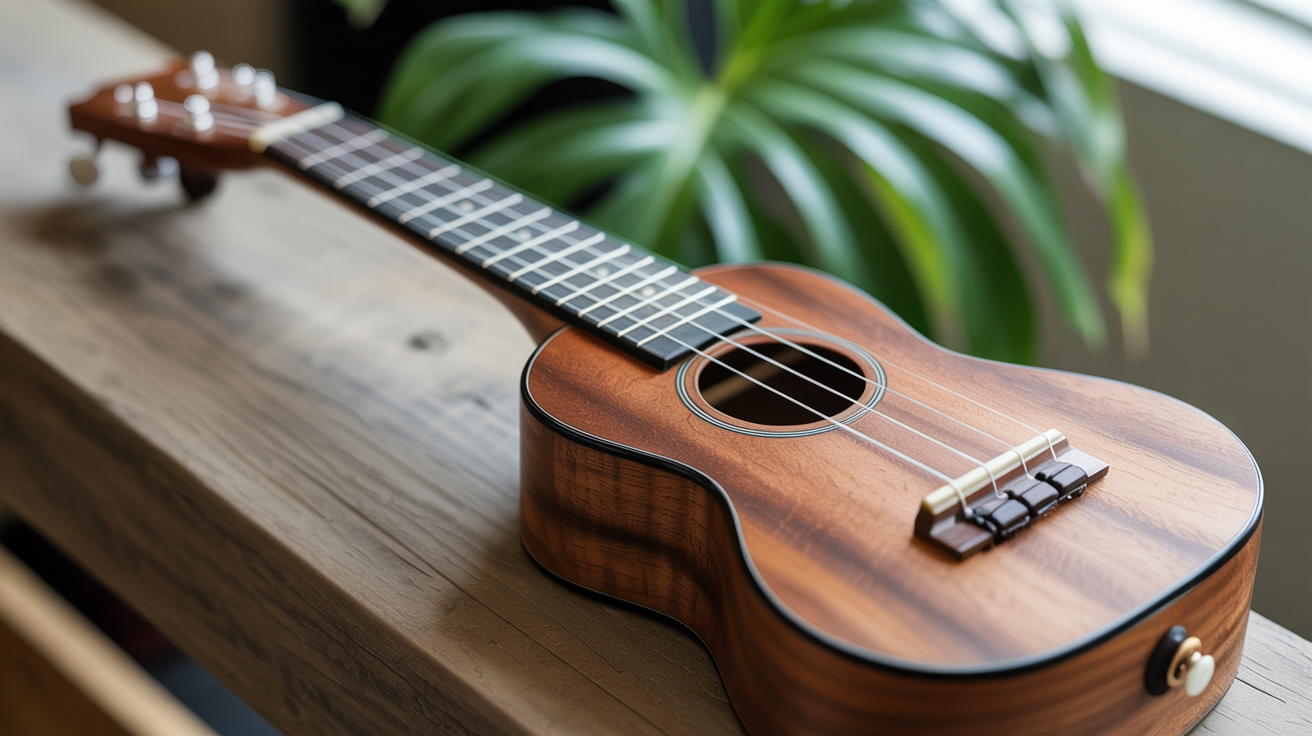
Soprano or concert: this is the question most beginners run into within the first ten minutes of shopping for a ukulele. The two sizes look almost identical in photos, their price ranges overlap almost completely, and beginner guides often tell you to "just pick one." That is not particularly helpful.
This guide breaks down the real differences between the two sizes, points out who tends to prefer each one, and gives you a clear way to decide. There is no universally correct answer, but there is probably a better answer for you specifically.
At a Glance
- Soprano and concert use the identical G-C-E-A tuning, so every chord shape, tab, and song you learn transfers directly between them.
- Soprano is smaller and brighter; concert is larger, warmer, and gives your fretting fingers more room.
- The fret-spacing difference is the main practical factor for beginners, not sound quality.
- A quick hand test (index-to-pinky span on a flat table) is a more reliable guide than online opinions.
- Both sizes cost about the same at every price point, so budget is not a deciding factor either way.
- If you switch sizes later, nothing you learned is wasted; chords and technique carry over completely.
What the Size Difference Actually Means
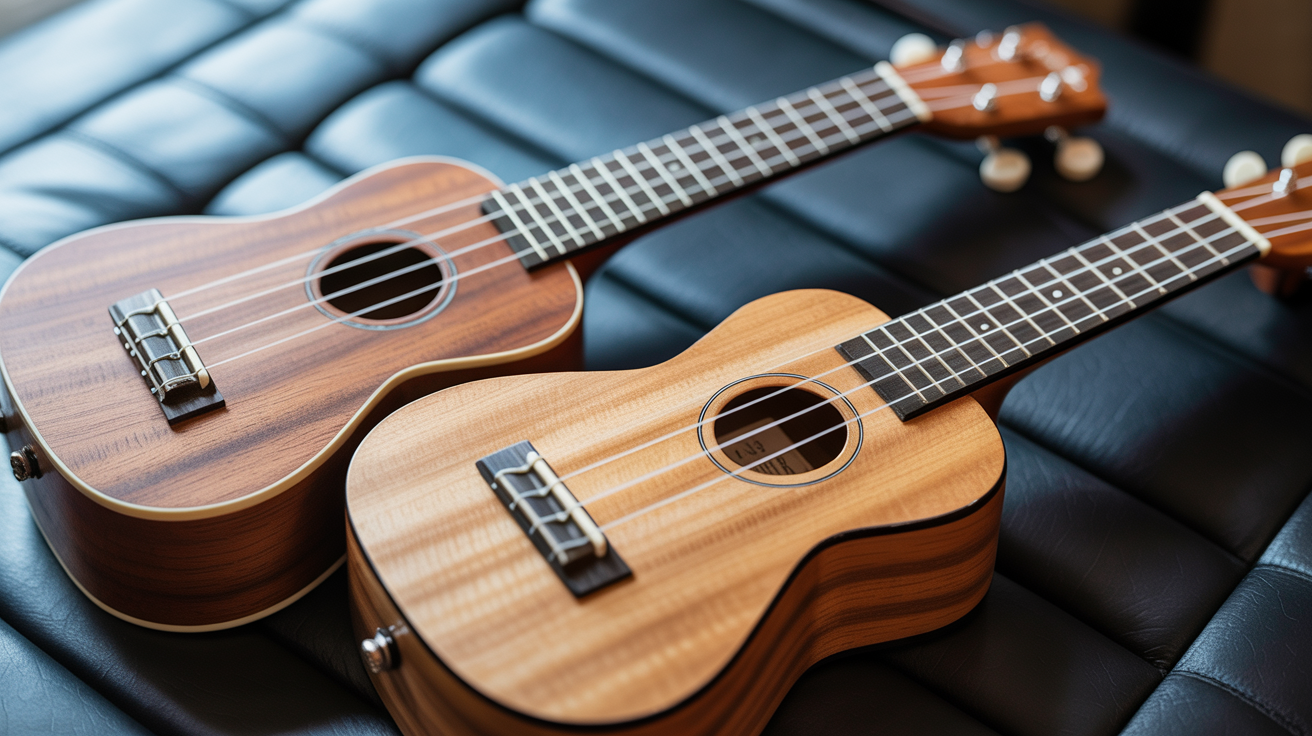
Soprano is the classic, smaller ukulele. Concert is slightly larger. Here are the numbers that matter:
| Feature | Soprano | Concert |
|---|---|---|
| Total length | ~21 inches | ~23 inches |
| Scale length (nut to saddle) | ~13 inches | ~15 inches |
| Fret spacing | Tighter | Slightly wider |
| Number of frets | 12-15 | 15-20 |
| Tuning | G-C-E-A | G-C-E-A |
| Typical weight | Lighter | Slightly heavier |
| Best fit | Small hands, kids, portability | Average/larger hands, fuller tone |
The tuning is identical. Both sizes use standard ukulele tuning, so any chord you learn on one transfers directly to the other. Switching between them later costs you nothing in terms of relearning.
The practical difference comes down to two things: how your fingers fit on the fretboard and how the instrument sounds when you play it. Both dimensions trace back to a single number: scale length, the distance from the nut to the saddle. A longer scale length spreads the frets further apart and lets the strings vibrate with a bit more sustain, which is the underlying reason concert feels roomier and sounds fuller than soprano. The physics of fret placement is the same on every fretted instrument: each fret divides the remaining string length by the same ratio, so a longer scale simply stretches every one of those divisions out a little further.
Sound: What Each Size Gives You
Soprano has that bright, punchy tone most people picture when they think of a ukulele. It has a lot of chime and ring, especially in the upper registers. It sounds distinctly ukulele-like, which is part of why people love it.
Concert is a bit warmer and fuller. Because the body is larger, there is more resonance, and notes sustain slightly longer. It does not sound like a toy in the way that a soprano can in untrained hands. That is not a knock on sopranos, just an honest note about projection. If you plan to strum along at a campfire or record yourself, a concert often sounds more present without any extra effort.
Neither size is objectively better sounding. It comes down to what you are drawn to.
Playability: Fret Spacing and Hand Size
This is where the choice matters most for beginners.
Soprano fret spacing is tight, typically around 2 to 2.3 centimeters between the first few frets. For players with average or larger hands, the first five frets in particular can feel crowded. You will get used to it over time, but there is a learning curve on top of the learning curve. Some beginners find that they keep accidentally muting strings because their fingers overlap, and that frustration can slow progress.
Concert gives you a little more room, closer to 2.4 to 2.7 centimeters in that same low-fret zone. The frets are still close by guitar standards (a guitar's first fret gap runs closer to 3.6 centimeters), but there is enough breathing space that chord shapes like C and G tend to feel more natural to fret cleanly from the start.
If you have small hands or shorter fingers, soprano can be a genuinely comfortable fit. If your hands are average or bigger, concert tends to be more forgiving while you are building muscle memory and calluses.
A simple test: put your fretting hand flat on a table and measure the span from your index finger to your pinky.
| Hand span (index to pinky) | Suggested starting size |
|---|---|
| Under 6.5 inches | Soprano usually feels comfortable |
| 6.5 to 7.5 inches | Either works; try both if you can |
| Above 7.5 inches | Concert usually feels more forgiving |
This is a starting guideline, not a rule. Plenty of players override it because they simply prefer how one size sounds or feels in the hand.
Which Size Do Most Beginners Prefer?
The soprano dominated for decades because it was the original ukulele size and remains the most photographed and sold. But in recent years, the concert has become the most recommended size for beginners by most ukulele teachers, partly because of the playability reasons above and partly because newer players tend to stick with instruments they find comfortable.
That said, plenty of players started on soprano and never looked back. The instrument works fine. Jake Shimabukuro, one of the most technically demanding players alive, is known for playing a custom-made tenor ukulele built by Kamaka, one size up from concert. It is a useful reminder that size does not cap what a player can eventually do; plenty of virtuosic playing happens on every size, including soprano.
If you find a soprano that speaks to you, trust that feeling. If you are deciding purely on practicality and have average or larger hands, lean toward concert.
For more on how size fits into the broader buying decision, see how to choose your first ukulele.
Cost and Availability
Both sizes are available at every price point from around $50 to several hundred dollars. You are not paying a premium for one over the other in any meaningful way. Starter packs (ukulele, tuner, bag, picks) exist in both sizes and cost roughly the same, usually adding $15 to $30 on top of the bare instrument price for the bundled accessories.
You do not need to spend a lot to get a good beginner instrument. See how much should you spend on a beginner ukulele for a detailed breakdown of what different price ranges actually buy you.
A Note on Body Material
Once you have settled on soprano or concert, the next choice is what the body is made from. Beginner ukuleles are almost always laminate, which is fine. Solid wood instruments sound better but cost more and are not necessary when you are just starting.
The laminate vs solid wood ukuleles guide covers this in detail if you want to go deeper before buying.
Frequently Asked Questions
Is soprano or concert ukulele better for a beginner? Neither is strictly better, but concert is often the more comfortable starting point for players with average or larger hands. Its slightly wider fret spacing makes chord fretting easier when you are still building coordination. If you have small hands or specifically love the classic soprano sound, soprano works just as well.
Do soprano and concert ukuleles sound different? Yes, though the difference is subtle. Soprano has a brighter, more traditional ukulele chime. Concert is slightly warmer and fuller because the body is a bit larger. Both use the same tuning and the same chords. If you are unsure, listening to side-by-side comparison videos on YouTube is genuinely useful.
Can I learn the same songs on both sizes? Yes. Both soprano and concert use standard G-C-E-A tuning, the tuning shared across the ukulele family from soprano through tenor. Every chord diagram, song tab, and instructional video applies equally to both. You can move between sizes without relearning anything.
Is a concert ukulele harder to play than a soprano? No. The concert is generally considered slightly easier for beginners with average or larger hands because the frets are spaced a bit wider apart. Players with very small hands sometimes prefer soprano because it fits their reach more naturally.
What if I buy the wrong size? You will not have ruined anything. Both sizes are inexpensive enough that switching later is a small financial cost if you find one size genuinely suits you better. Many players own both eventually. Start with whichever seems right and adjust from there.
What about tenor or baritone instead? Tenor sits one step up from concert (roughly a 17-inch scale length) and gives even more room and volume, which some adult beginners prefer over both soprano and concert. Baritone is larger still and tuned like the top four strings of a guitar (D-G-B-E), so it does not share chord shapes with the other three sizes. For a first ukulele, soprano and concert remain the two most common starting points; tenor is worth trying in a shop if concert still feels tight.