Which Ukulele Strings Should a Beginner Use?
A plain-English guide to ukulele string types, materials, and what actually matters when you're just starting out.
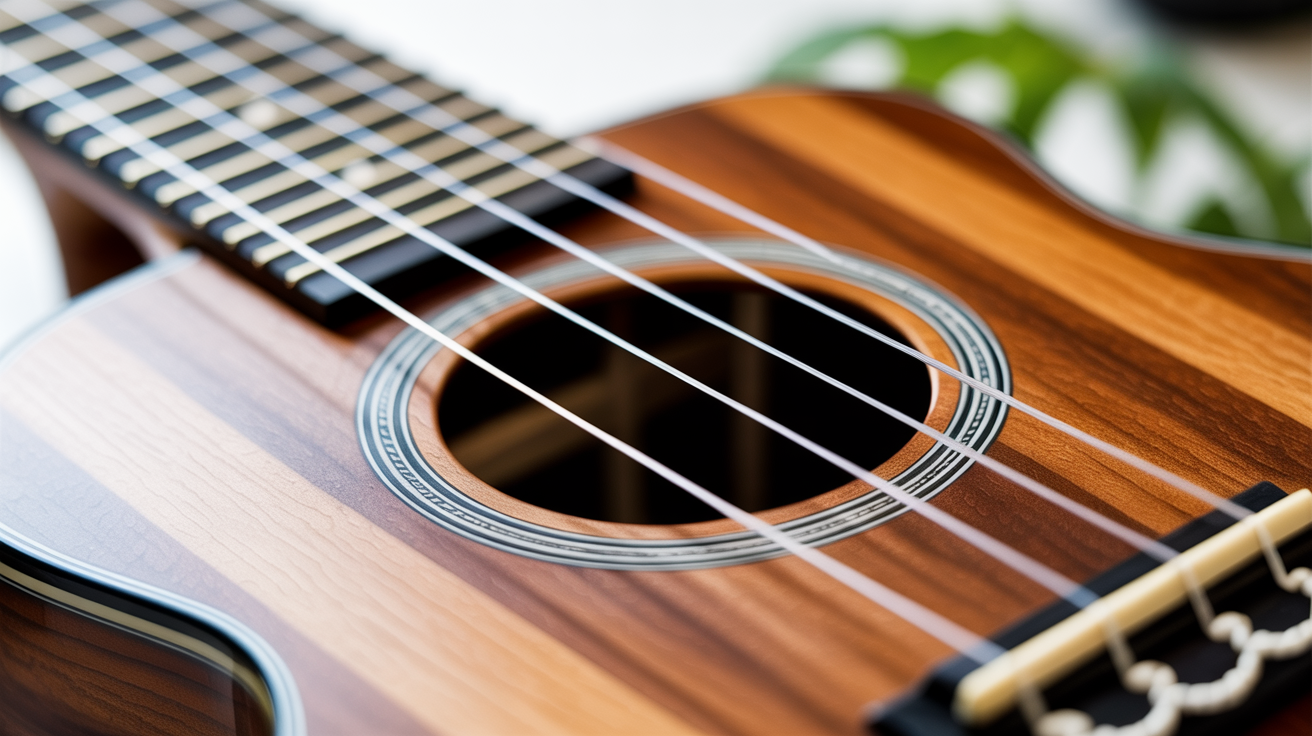
If your ukulele came with strings already on it, those strings are probably fine for now. But once you start spending more time playing, the question comes up fast: are there better strings out there, and how would I even know?
The short answer is yes, strings make a real difference. But for beginners, the differences are smaller than the marketing makes them sound. This guide covers what you actually need to know before spending money on a new set.
At a Glance
- Nylon and fluorocarbon are the two materials you'll actually choose between. Both are beginner-friendly.
- Nylon is warmer and gentler on fingertips; fluorocarbon is brighter, denser, and settles into tune faster after a change.
- Medium tension is the safest default unless your manufacturer recommends otherwise.
- Replace strings roughly once a year with regular play, every six months with daily play.
- New strings stretch for three to five days. Retuning repeatedly during that window, not fewer changes, is what settles them.
- Never use guitar strings on a ukulele; the scale length and tension are wrong for the instrument.
What Ukulele Strings Are Made From
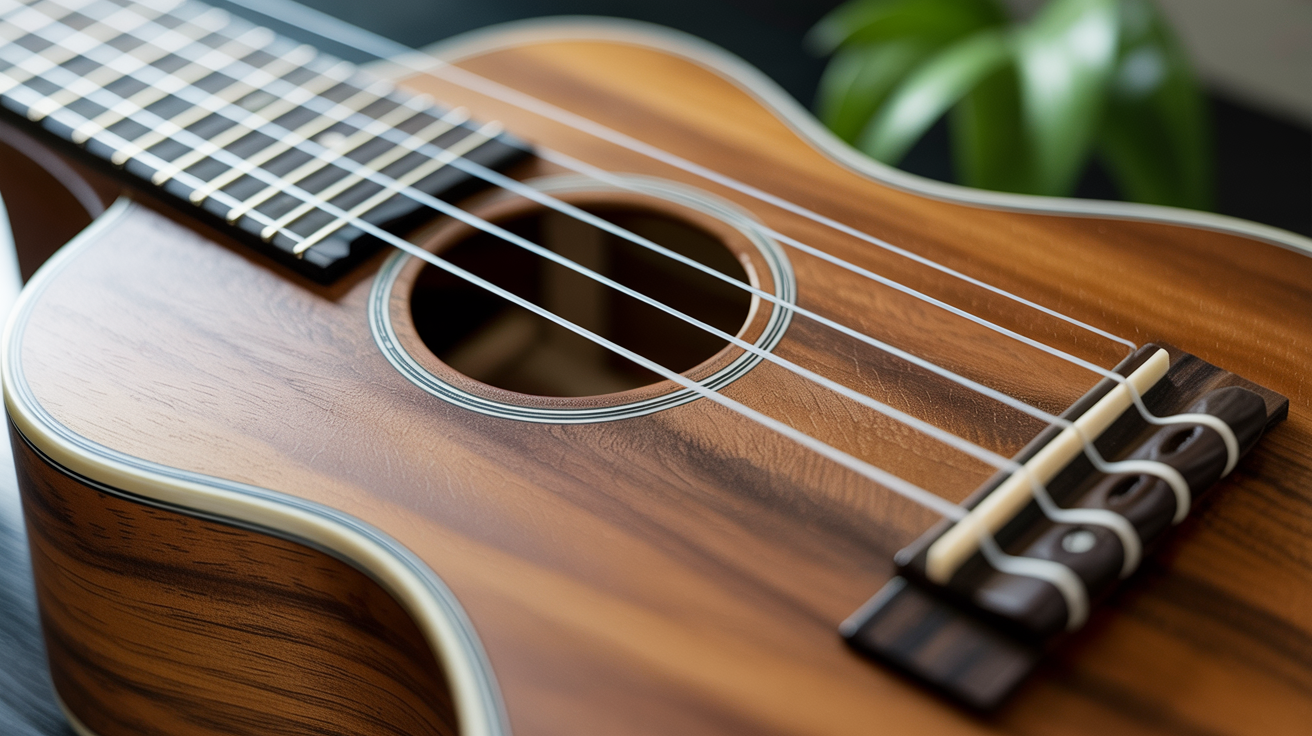
Most ukulele strings fall into a few material categories. Knowing what you have (or what you're considering) helps you make a sensible choice.
Nylon
Nylon is the most common material in budget and mid-range ukulele sets. It has a warm, soft tone and is gentle on fingertips, which matters when you're still building calluses. Nylon strings stretch a fair amount when new, which means they'll go out of tune frequently for the first few days after a string change. That's normal, and it traces back to a real property of the material: nylon is hygroscopic, meaning it absorbs and releases moisture depending on the humidity around it, which is part of why a fresh nylon string keeps shifting slightly until it settles. Check out how to tune a ukulele and stay in tune if the early stretching period catches you off guard.
Fluorocarbon
Fluorocarbon (sometimes called carbon or PVDF) strings are denser than nylon. They tend to stay in tune faster after a string change, have a slightly brighter sound, and are more resistant to humidity changes. The density difference is a real material property, not marketing: PVDF, the polymer fluorocarbon strings are made from, is measurably denser and harder-wearing than nylon in general use, which is consistent with why fluorocarbon strings feel firmer and settle faster once tuned. Many players prefer them once they've been playing a while. A set costs a bit more than nylon but not drastically so.
Wound Strings
Some ukuleles, especially tenor and baritone sizes, use wound strings on the lower-pitched courses. A wound string has a solid core wrapped in fine metal wire. They produce more volume and a fuller low end, but they can feel rough under the fingers and create squeaky noises when you slide along them. Most soprano and concert players stick to unwound sets entirely.
Other Materials
You'll occasionally see strings made from gut (a traditional material with a muted, vintage tone) or various nylon composites. These are worth exploring later if you develop a strong preference for a particular sound, but they're not a practical starting point.
Does Material Actually Matter for Beginners?
Honestly, less than you might think. The biggest factors in how your ukulele sounds are the instrument itself and how you play it. Strings make a noticeable difference, but swapping from one decent set to another will not make you sound like a different player overnight.
That said, there are two situations where changing strings makes sense even early on:
- The strings that came on your ukulele are old, corroded, or feel rough. Old strings lose brightness and can be harder to tune reliably.
- Your ukulele is months old and you've been playing regularly. Strings accumulate oils and wear down over time.
If your strings are relatively new and your ukulele is holding a tune, focus on building a short, consistent practice routine before worrying about string upgrades.
Nylon vs Fluorocarbon: A Practical Comparison
| Feature | Nylon | Fluorocarbon |
|---|---|---|
| Tone | Warm, soft | Brighter, clearer |
| Tuning stability (when new) | Takes longer to settle | Settles faster |
| Humidity sensitivity | More sensitive | Less sensitive |
| Feel under fingers | Smooth, forgiving | Slightly firmer |
| Density | Lower | Higher |
| Price | Generally lower | Slightly higher |
| Good for beginners? | Yes | Yes |
Neither material is objectively better. Nylon is a sensible default if you want something affordable and easy on your fingertips. Fluorocarbon is worth trying if you find your strings going sharp and flat constantly or if you play in a room with variable humidity.
String Gauges and Tension
String sets are sometimes labeled as "light," "medium," or "hard" tension. Tension describes how much pull the string exerts on the neck when tuned to pitch, and it's directly tied to how thick the string is. As a general rule of stringed-instrument physics, pitch depends on a string's vibrating length, its tension, and its mass per unit length, which is why a thicker (heavier-gauge) string needs more tension to reach the same pitch as a thinner one, and why heavier strings feel harder to press down.
| Tension | Feel | Best For |
|---|---|---|
| Light | Easiest to press; can sound thin or buzz on cheaper instruments | Very light-touch players, smaller hands |
| Medium | Balanced feel and tone; safest default | Most beginners, most instruments |
| Hard | Fuller tone; more finger strength required | Experienced players, sturdier necks |
For beginners, medium tension is the safest choice. Light tension strings feel easier to press down but can sound a bit thin and may buzz on lower-cost instruments. Hard tension strings take more finger strength and can pull a light ukulele's neck over time if it wasn't built for them.
Unless your instrument's manufacturer recommends a specific tension, start with medium and adjust from there once you have a better sense of what you prefer.
When and How Often to Change Strings
A reasonable rule of thumb: if you play a few times a week, plan to change strings roughly once a year. If you play daily, every six months makes sense. If you're not sure how old the strings are, that's a sign they might be worth replacing.
Tone is a useful cue. Fresh strings have a clear, even sound across all four strings. Strings that have lost their life tend to sound dull or uneven, or they won't quite hold their pitch after you tune them.
If you've never changed strings before, the process is straightforward and takes about fifteen to twenty minutes. A step-by-step walkthrough is available at how to change ukulele strings step by step. Always follow the instructions that come with the specific string set you buy, since attachment methods vary slightly by brand and string type.
Frequently Asked Questions
Can I use guitar strings on my ukulele?
No. Standard guitar strings are the wrong scale length and have much higher tension than ukulele strings. Using them could warp or damage the neck of a small instrument. Stick with strings made specifically for ukulele.
My ukulele came with strings. Should I replace them right away?
Not necessarily. Factory strings vary a lot. Some are fine; some are cheap nylon that went stale in the box. Play your ukulele for a few weeks and see how it feels. If it's hard to keep in tune or the tone sounds dull even after tuning carefully, replacing the strings is a reasonable first step.
Do I need different strings for a soprano versus a tenor ukulele?
String sets are sold by size (soprano, concert, tenor, baritone), so you'll want to buy the right length. The materials and tension choices described above apply across sizes, but always confirm the set is made for your ukulele's scale length before purchasing.
My new strings won't stay in tune. Did I do something wrong?
Probably not. New strings stretch as they settle in, and that's true for both nylon and fluorocarbon, though nylon takes longer since it absorbs more moisture and flexes more under tension. Tune your ukulele, play for a few minutes, tune again. Repeating this a few times each day for the first three to five days after a string change helps them stabilize faster.
Is a more expensive string set worth it for a beginner?
Mid-range sets made by established manufacturers are generally a better starting point than the cheapest available options, and they cost only a few dollars more. Premium sets at the top of the price range are designed for players who have strong preferences about tone and playability. You'll get more out of them once you've been playing long enough to notice the differences.
Can mixing string materials on one ukulele cause problems?
Some players do mix, for example fluorocarbon on the top strings and a wound string on the lowest course, and plenty of manufacturers sell hybrid sets intentionally. What matters is that each string is the correct gauge and length for its position and your scale length. Mismatching gauges without knowing what you're doing can throw off the balance between strings, with some sounding notably louder or softer than others.